Most drivers don’t think about what’s inside a tyre until something goes wrong. A flat on the way to work, a failed NCT, or that strange bulge you can’t quite explain.
Yet, knowing a little about tyre anatomy can help you catch small problems before they become expensive ones.
Tyres do more than keep your car rolling behind the steering wheel. They affect braking, comfort, and fuel economy.
Here in Ireland, they’re also one of the main reasons cars fail the NCT. Recent data shows that 10.5% of motorists failed their NCT due to tyre condition alone.
In this guide, we’ll break down the top quality parts of your tyres in plain language: what they do, how they fail, and what to look for during checks. Here’s what we’ll cover.
- Tread: how grip and wear indicators work
- Sidewall & shoulder: what they do and how damage shows
- Bead & rim seal: why your tyres stay attached and airtight
- Inner liner: how tyres hold air and what causes slow leaks
- Failure signs: what uneven wear, bulges, or slow leaks really mean
By the end, you’ll know how to read your tyres like a pro to achieve maximum speed capability and what to ask for next time you’re buying tyres in Ireland.
Tread & Wear Indicators
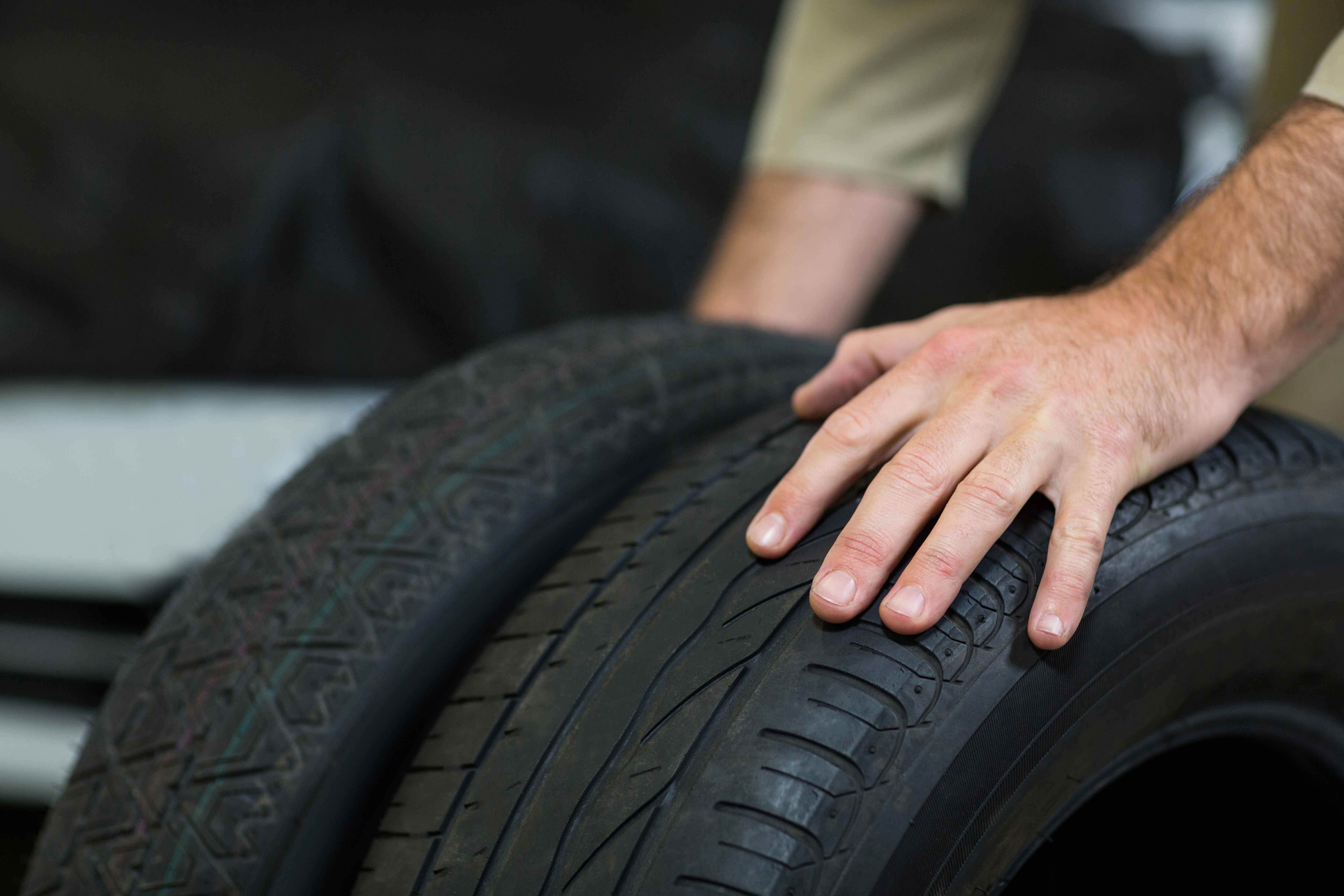
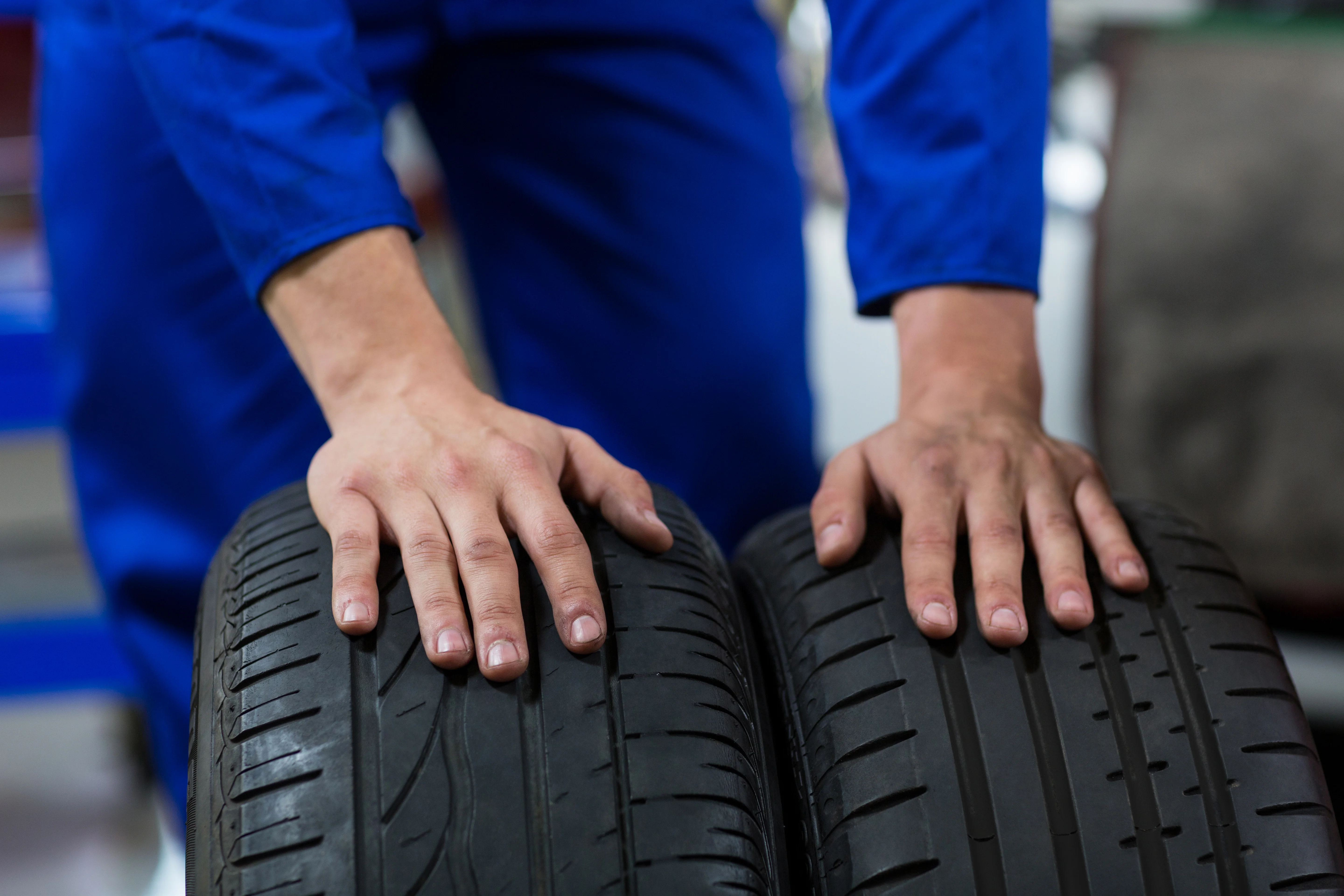
The tread is the part of your tyre that meets the road, and it does far more than most drivers realise. Those grooves and patterns are designed to grip the surface, channel water away, and maintain control during braking or cornering.
In Ireland’s wet, unpredictable weather, healthy tread is your best defence against skidding or aquaplaning and load capacity.
A tyre’s grip depends largely on tread depth. Once it becomes too shallow, stopping distances grow and handling worsens, especially on rainy days or slick country roads.
How to Check Tread Surface Depth
You don’t need special tools or square inch measurements. Use a €1 coin: if the gold rim is still visible when placed into a groove, your tread is getting low.
Irish law requires a minimum depth of 1.6 mm, but most experts recommend replacing tyres at 3 mm for better wet-road performance.
Wear Bars: Built-In Warning Signs
Look closely between the main tread grooves and you’ll spot small raised bars. These are irregular wear indicators built-in checkpoints that appear when the tread is close to its legal limit.
When those bars sit flush with the tread pattern surface, it’s time for new tyres.
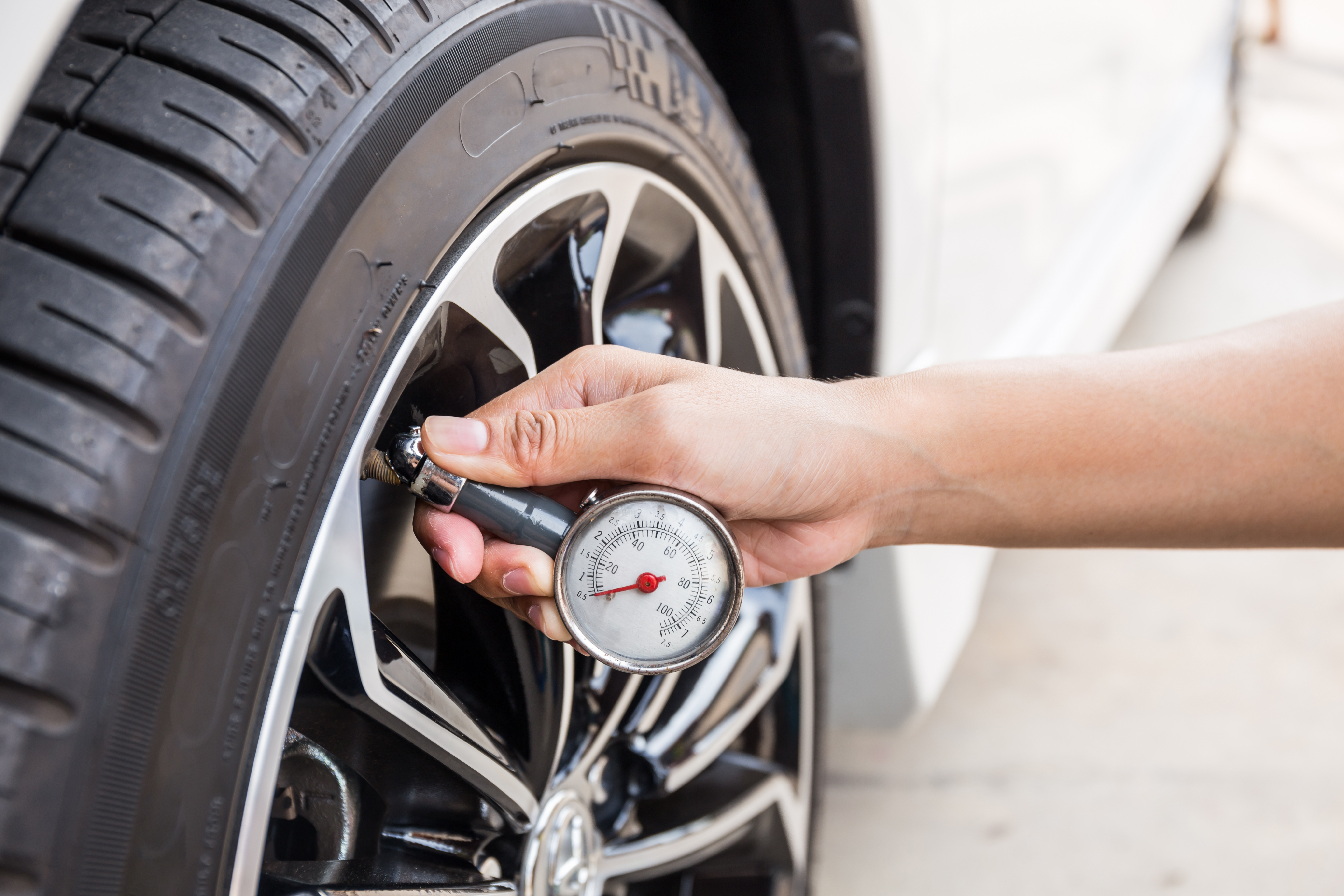
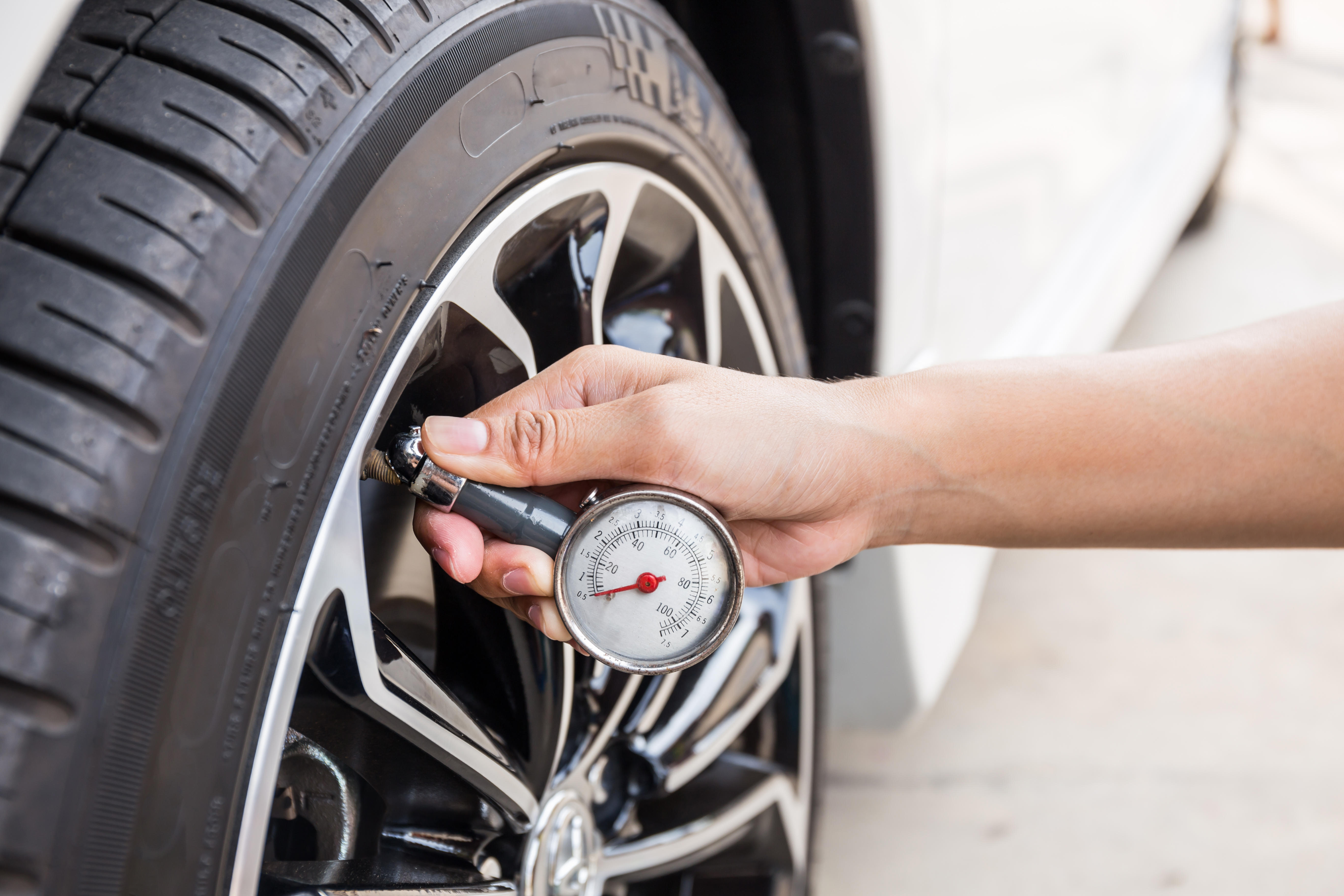
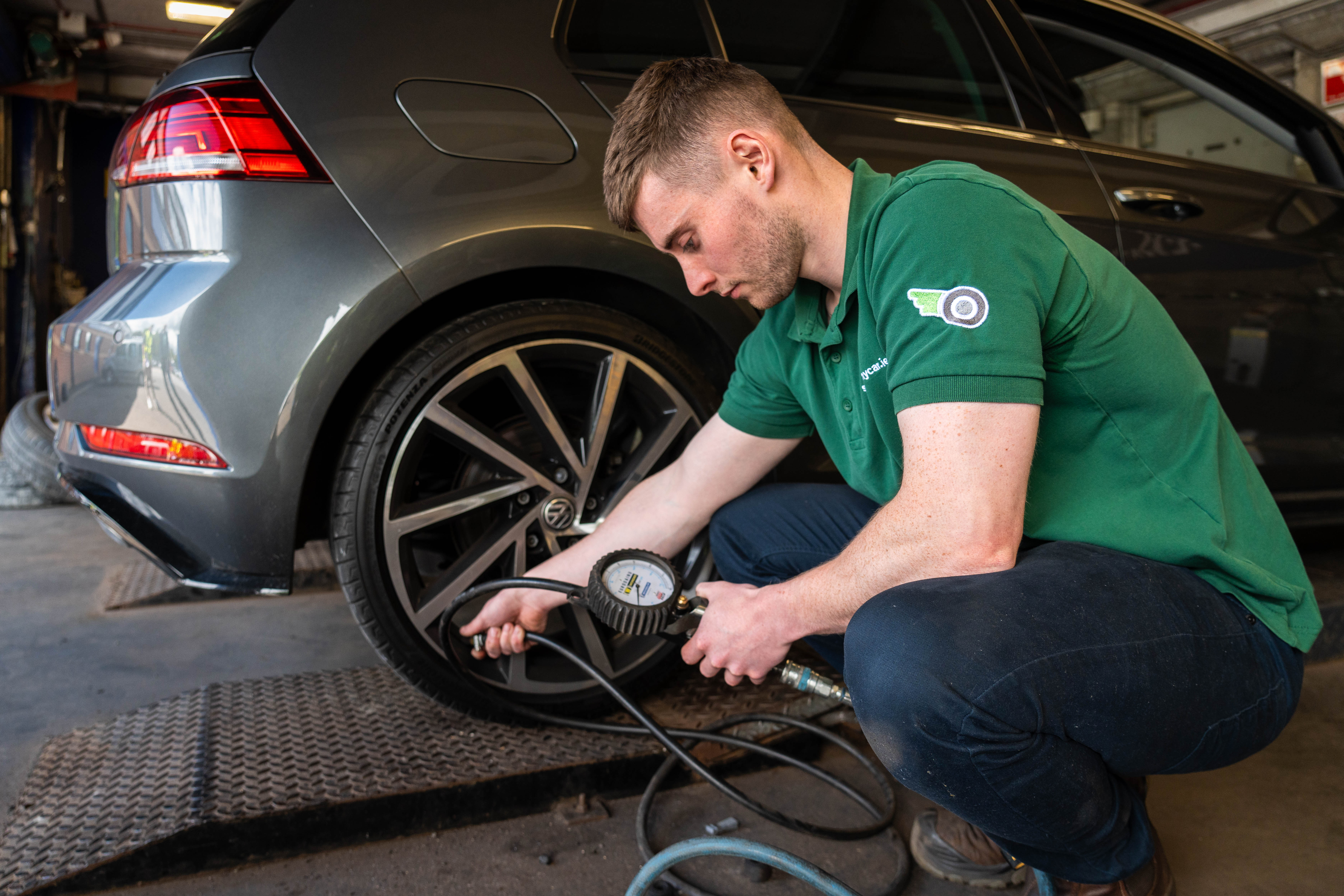
If your tread looks uneven (worn more on one edge or across the centre), it could mean incorrect tyre pressure or wheel alignment. Getting proper pressure checked early can extend tyre life and save money in the long run.
Sidewall & Shoulder
The sidewall is the part of your tyre you can easily see, that smooth section running between the tread and the wheel rim. It might look simple, but it plays a big role in your car’s safety and comfort.
The Sidewall’s Job and Aspect Ratio
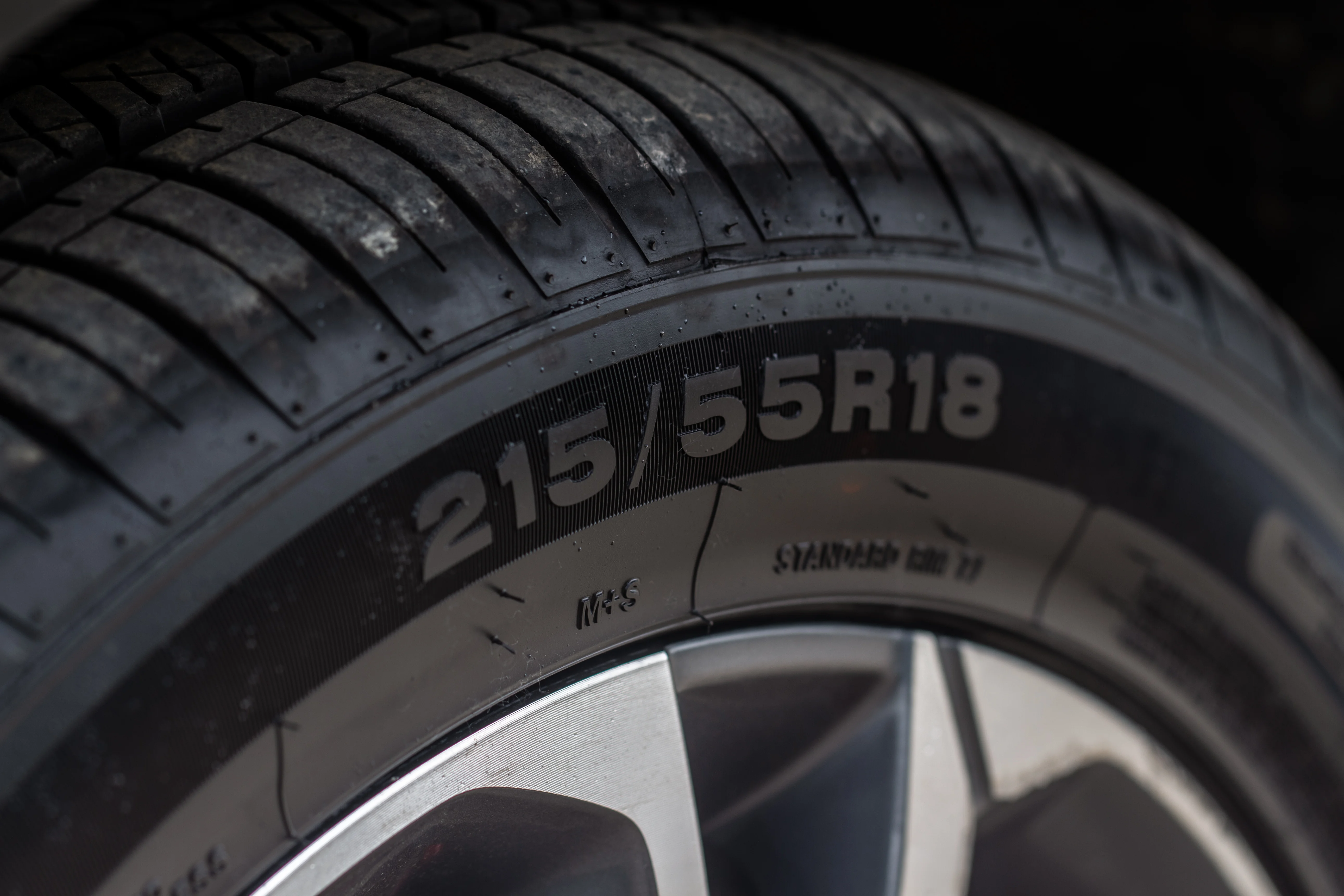
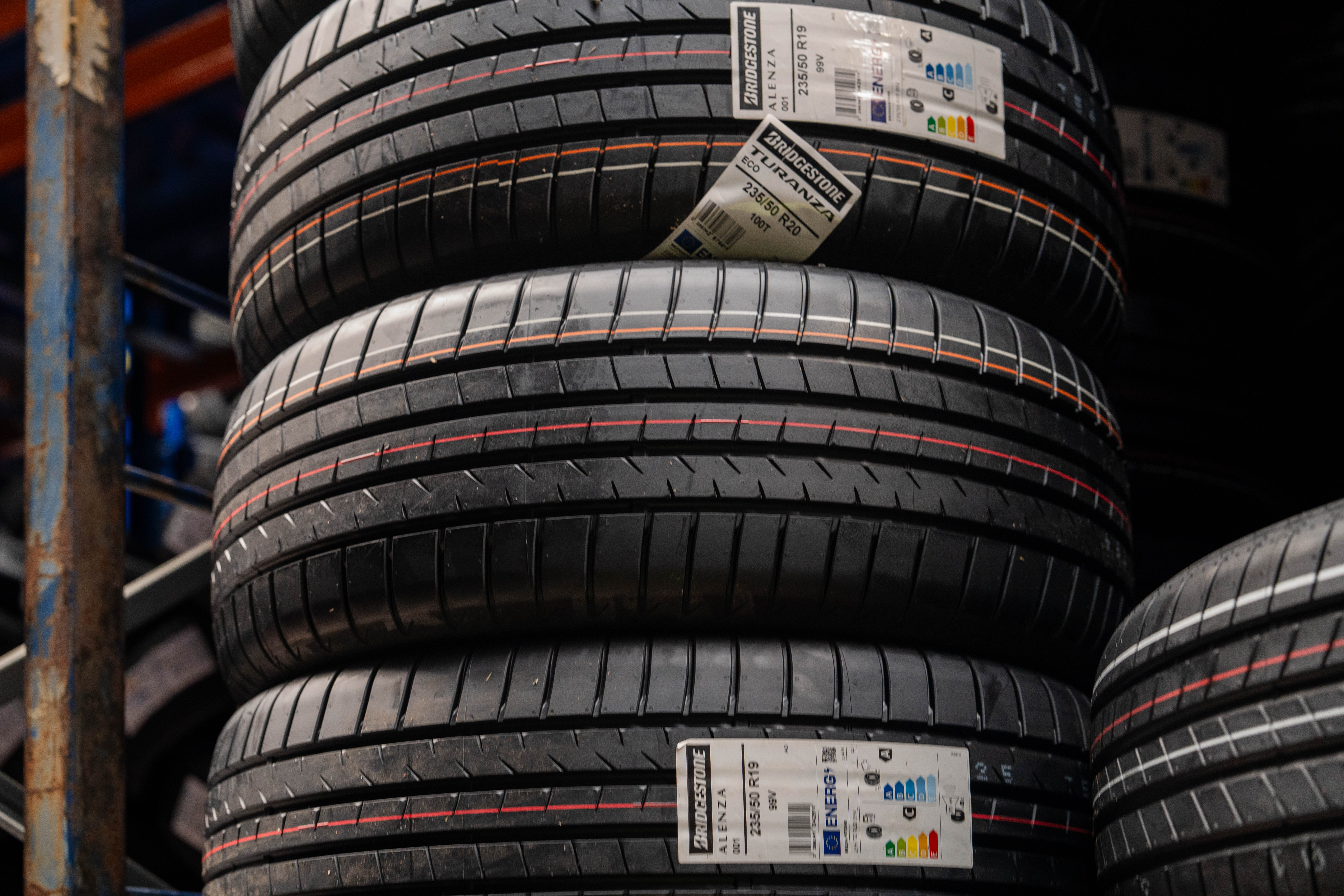
The sidewall helps your tyre absorb bumps, support your vehicle’s weight, and protect the internal structure. It’s also where you’ll find key information from the vehicle manufacturer: tyre size, load index rating, and speed rating are all printed here.
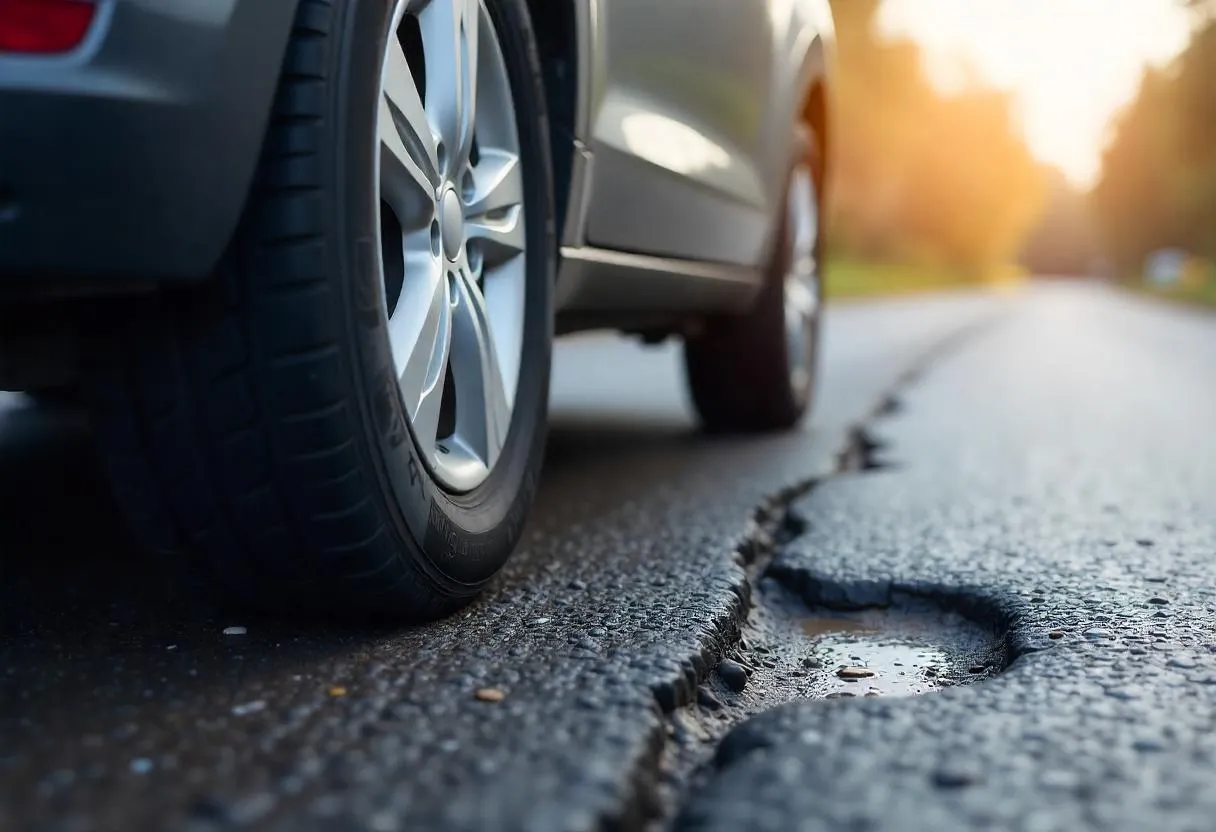
Unfortunately, it’s also one of the most vulnerable spots on a tyre. Kerbs, sharp stones, and deep potholes can cause cuts or bulges that weaken the sidewall from the inside, and the steering components.
Even if the damage looks small, it can lead to a blowout under pressure. So it’s worth checking your sidewalls regularly, especially after a hard impact.
The Shoulder: Where Grip Meets Support
The shoulder is where the tread curves down toward the sidewall. It carries heavy stress during cornering and acts as a bridge between traction and flexibility.
If you notice unusual wear around this area (often on one side only), it could signal alignment or inflation issues. For drivers on narrow rural roads or city streets lined with kerbs, quick shoulder checks and properly inflated tyres can prevent long-term problems and improve handling as the vehicle pulls.
Bead & Rim Seal and Rolling Resistance
The bead is the part of the tyre you don’t usually see, but it’s what keeps everything securely attached to the wheel.
What the Bead Does
Think of the bead as the tyre’s anchor in the vehicle's suspension. It’s made of steel wires wrapped in thick rubber, designed to grip the inner edge of the wheel and hold it steady under pressure. Whether you’re cruising down the motorway or turning sharply, the bead keeps your tyre from slipping on the rim.
Because it sits out of sight, bead damage often goes unnoticed until you start losing air pressure.
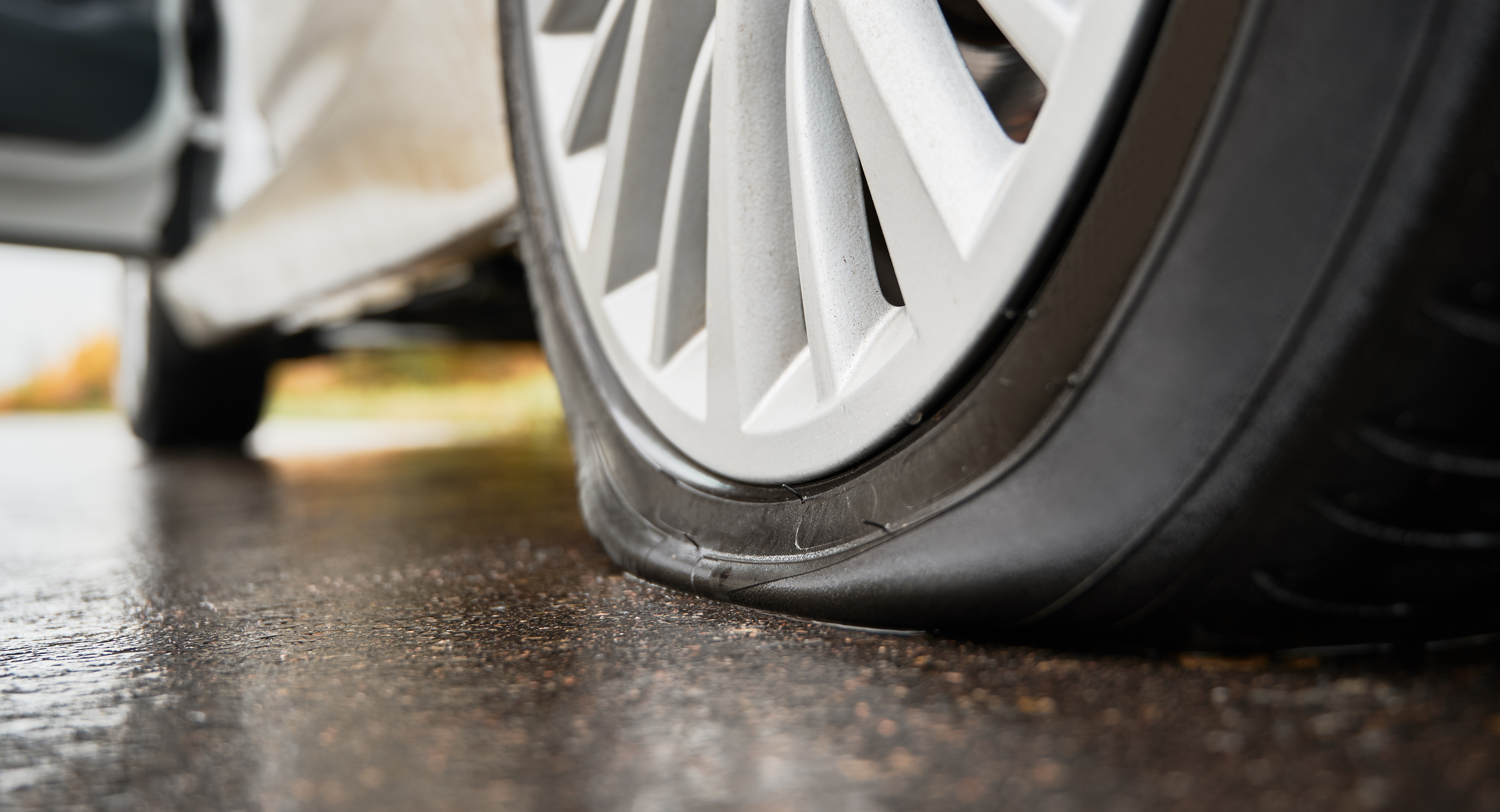
Hitting kerbs, driving on a flat tyre, or even small bits of corrosion on the wheel can all cause slow leaks along this edge.
Why the Rim Seal Matters
Where the bead meets the wheel rim, you’ll find the rim seal. This tight, airtight connection keeps air inside the tyre.
In Ireland’s damp climate, corrosion and salt from winter roads can weaken that seal over time.
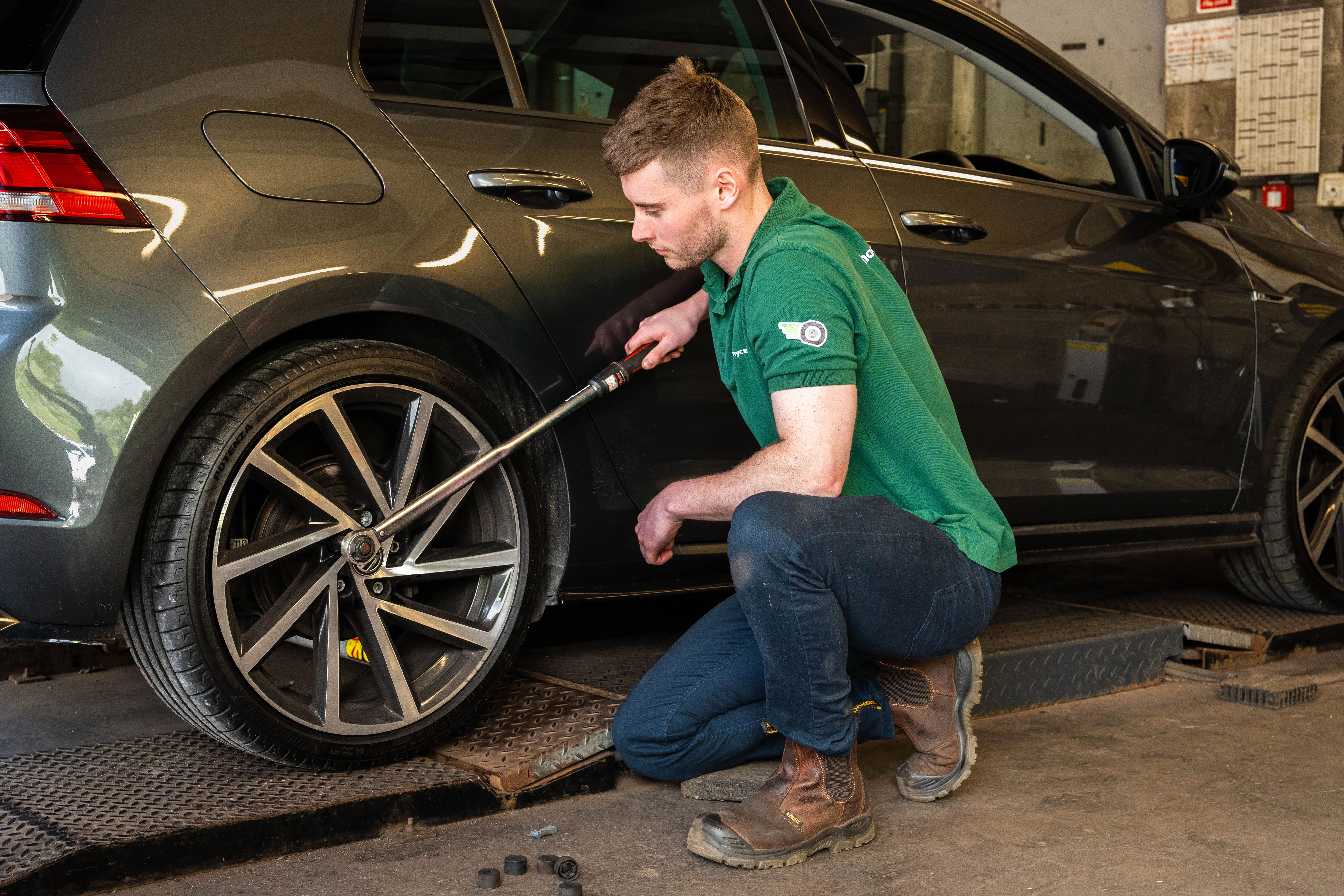
If you find yourself topping up the same tyre every few days, it may not be a puncture. It could be a leaky rim seal. A professional fitter can remove the tyre, clean the rim, and reseat the bead to restore a proper seal.
Inner Liner & Air Retention
Hidden inside every tyre is a layer most drivers never see: the inner liner. It’s a thin, airtight sheet of synthetic rubber that holds the air inside and keeps pressure stable.
Think of it as the tyre’s built-in balloon.
Why It Matters
The inner liner helps your tyres maintain consistent pressure, even as outside temperatures rise and fall. Without it, you’d be topping up your tyres every few days.
It’s the quiet hero of tyre safety, keeping handling predictable and fuel use efficient.
Common Air Loss Issues
Even with a perfect liner, air can still escape. The most common culprits?
- Damaged valve stems that let air seep out slowly
- Punctures that reach deep enough to pierce the liner
- Corrosion around the rim seal that breaks the airtight bond
Ireland’s wet roads and rough surfaces don’t help. Potholes and debris can easily worsen a slow leak. If a tyre keeps losing pressure despite no visible puncture, have a professional check the liner and rim area before replacing the whole tyre.
How Each Part Fails and Hurts Fuel Consumption
Every part of a tyre can show different warning signs when something’s wrong. Knowing what those signs mean helps you act early, before a small issue turns into a roadside breakdown.
Tread Wear: Uneven Patterns and Bald Spots
Uneven tyre wear is one of the easiest issues to spot. If your tyres are worn more on one edge or show patchy bald areas, it’s often due to wheel misalignment or incorrect pressure.
You can catch this early by checking tread depth regularly and rotating your tyres every 10,000 km. This simple habit helps tyres wear evenly, improving handling and extending lifespan, especially on Ireland’s mix of urban and rural roads.
Sidewall Damage: Cuts and Bulges
Sidewall damage looks small but can be serious. Cuts, cracks, or bulges weaken the tyre’s structure and make it more likely to fail at high speeds.
If you hit a deep pothole or clip a kerb, inspect the sidewall closely afterwards. Any bulge means it’s time for a replacement, no exceptions. A tyre with sidewall damage can’t be safely repaired.
Bead Leaks: Slow Pressure Loss
If a tyre slowly loses air but no puncture is visible, the problem might be the bead or rim seal. Corrosion, impact, or tyre age can cause tiny gaps that let air escape.
A professional can reseat or reseal the bead to fix the issue, saving you from unnecessary replacements. Keeping rims clean and avoiding extended contact with road salt in winter also helps prevent this kind of leak.
Maximum Load: Know Your Tyres, Drive with Confidence
A little tyre knowledge goes a long way. Once you understand what each part does, and what it looks like when something’s wrong, those quick visual checks start to mean something. You’ll notice tread wear before it gets risky, spot sidewall damage before it becomes dangerous, and deal with slow leaks before they drain your time (and your fuel).
A set of good tyres means peace of mind.
When it’s time to replace or inspect yours, visit Shoes for My Car. You’ll find clear information, competitive prices, and trusted fitters across Ireland. We make it easy to buy the right tyres from the people who know them best. Contact us today!
Frequently Asked Questions
How often should I check my tyres for damage or wear?Once a month is ideal for most Irish drivers, or every two weeks if you drive long distances or use rural roads.
Check tread depth, look for sidewall damage, and confirm pressure while the tyres are cold.
Use the €1 coin test or check the built-in wear bars between the tread grooves.
If the gold rim of the coin is visible, or the wear bars sit level with the tread, it’s time to replace the tyre.
No. Sidewall cuts, cracks, or bulges cannot be safely repaired. The sidewall carries the tyre’s structural load, so any damage here requires full replacement to avoid a blowout.
Why does my tyre keep losing air even though there’s no puncture?Slow leaks often come from a damaged valve stem, a compromised inner liner, or corrosion around the rim seal.
These issues aren’t always visible from the outside, so a fitter should inspect the tyre and rim closely.
What causes uneven tread wear on a tyre?Uneven wear usually points to incorrect tyre pressure, misaligned wheels, or suspension issues. Rotating tyres every 10,000 km and maintaining proper pressure helps prevent this.
Immediately. A bulge means the tyre’s internal structure has failed, usually after a kerb or pothole impact. Driving on a bulging tyre is dangerous. Replace it as soon as possible.