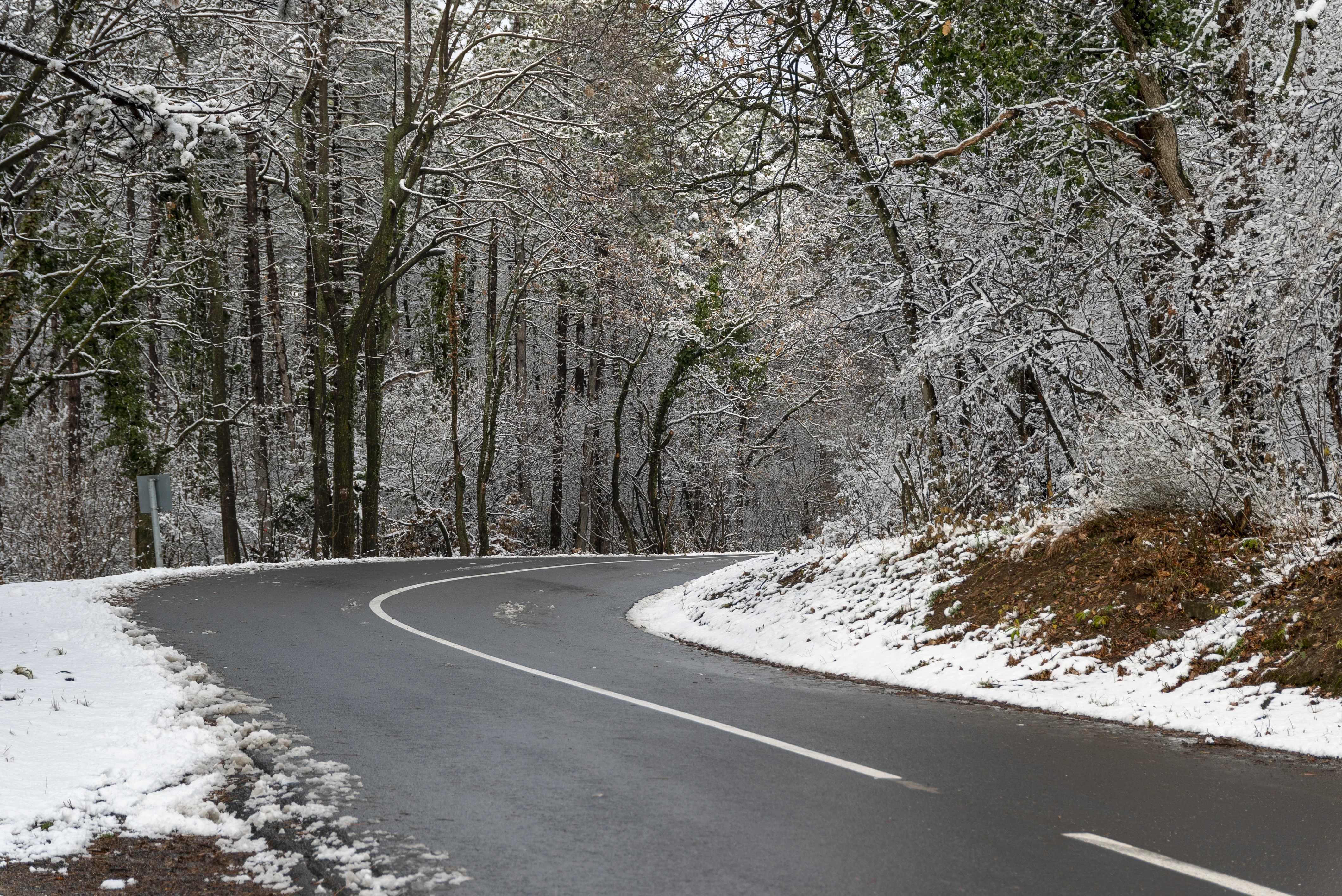
Ireland’s back roads have a way of testing both drivers and tyres. From Leitrim’s winding boreens to West Cork’s stony lanes, every turn can hide loose gravel, sharp rock, or soft ground that challenges even the most capable vehicles.
For anyone without mechanical know-how, the thought of punctures or torn sidewalls can turn adventure into anxiety.
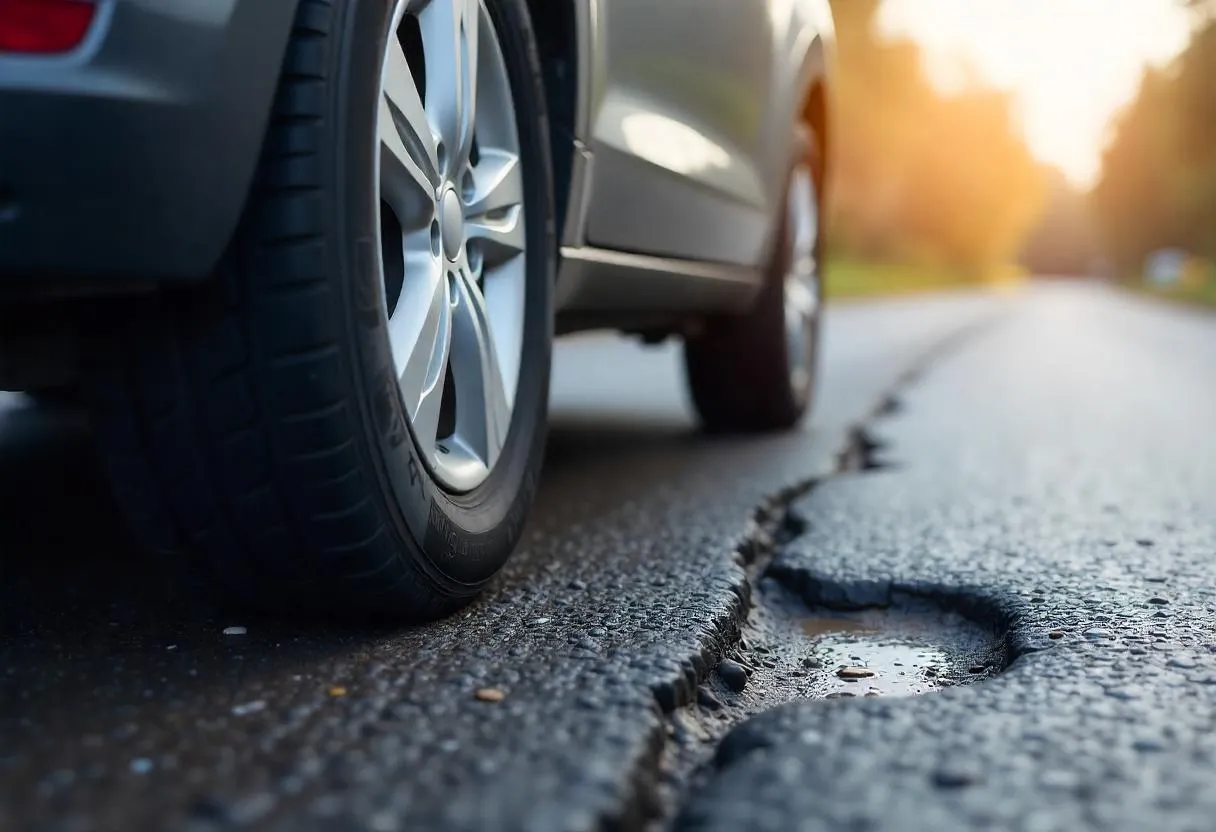
It’s a valid concern. AA Ireland reports that 16% of motorists have damaged their vehicles after striking a pothole in the past year, with tyre damage being the most common outcome. Off-road routes only add to those risks, but with the right equipment and preparation, they’re easy to manage.
With the right tyres, pressure settings, regular inspections, and a few simple techniques, you can explore Ireland’s roughest tracks with confidence, not worry.
Choosing the Right Tyre Type and Quality for an Optimal Experience
Every off-road journey in Ireland starts with the same decision: the right tyre.
Between the patchy gravel of country lanes and the muddy laneways that follow heavy rain, your tyre choice will determine whether the trip feels effortless or unpredictable.
All-Terrain vs. Mud-Terrain Season Tyres
For most Irish drivers, all-terrain (A/T) tyres strike the ideal balance between comfort on tarmac and traction off it. Their tread patterns are designed to handle gravel, grass, and loose stone while remaining quiet and efficient on main roads.
If your driving is mostly urban or motorway during the week but rural on weekends, all-terrain tyres offer the best of both worlds in terms of load index.
Drivers who spend more time in muddy fields, bogs, or forestry tracks may prefer mud-terrain (M/T) tyres. These tyres have deeper, more aggressive tread blocks and wider gaps that allow mud to clear out quickly for better grip.
The trade-off: they’re noisier on paved roads and wear faster on hard surfaces, so they’re best suited for vehicles used primarily off-road.
Reinforced Sidewalls for Rough Terrain
Ireland’s rural tracks are unpredictable. Sharp rocks, hidden kerbs, and debris can damage standard road tyres easily.
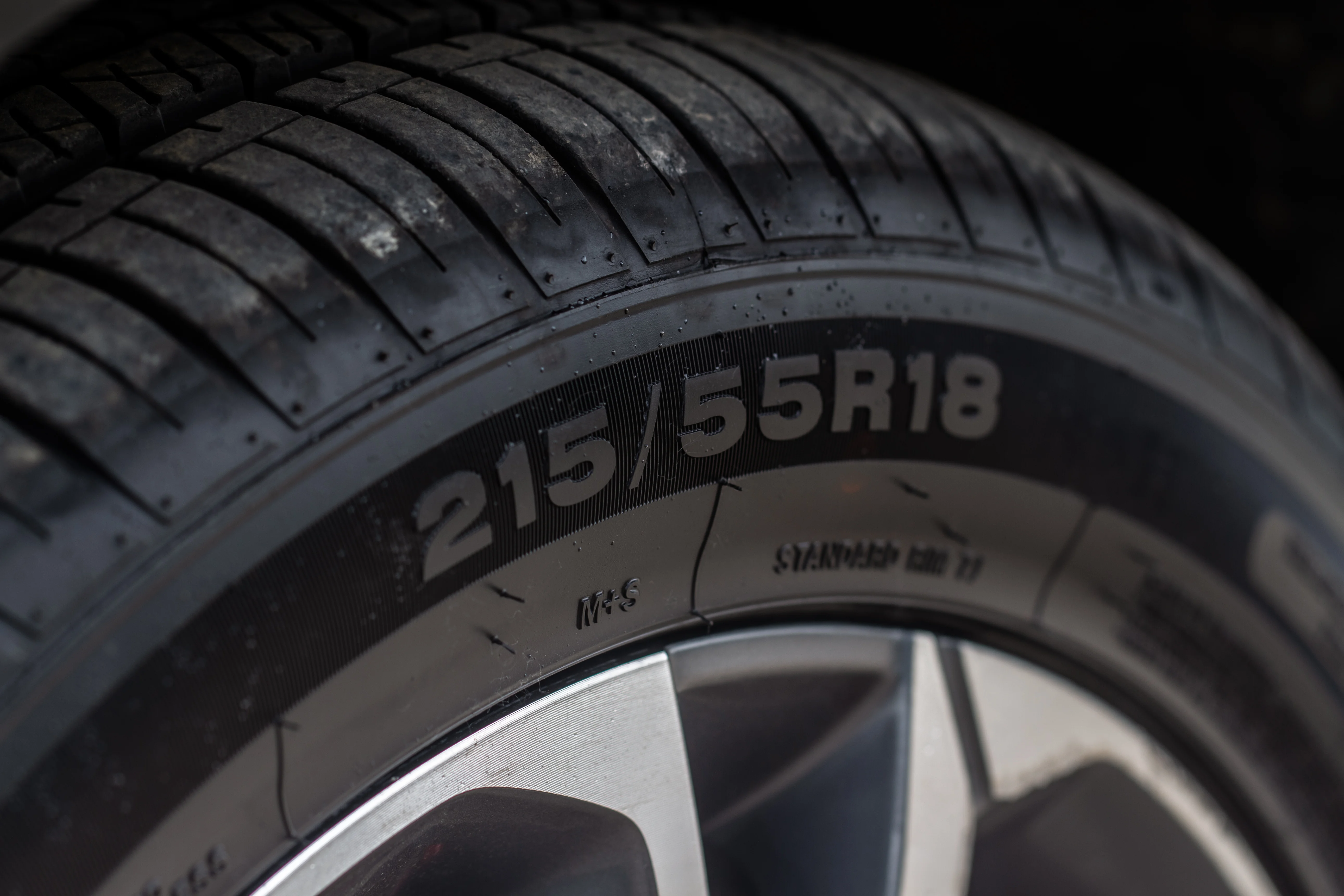
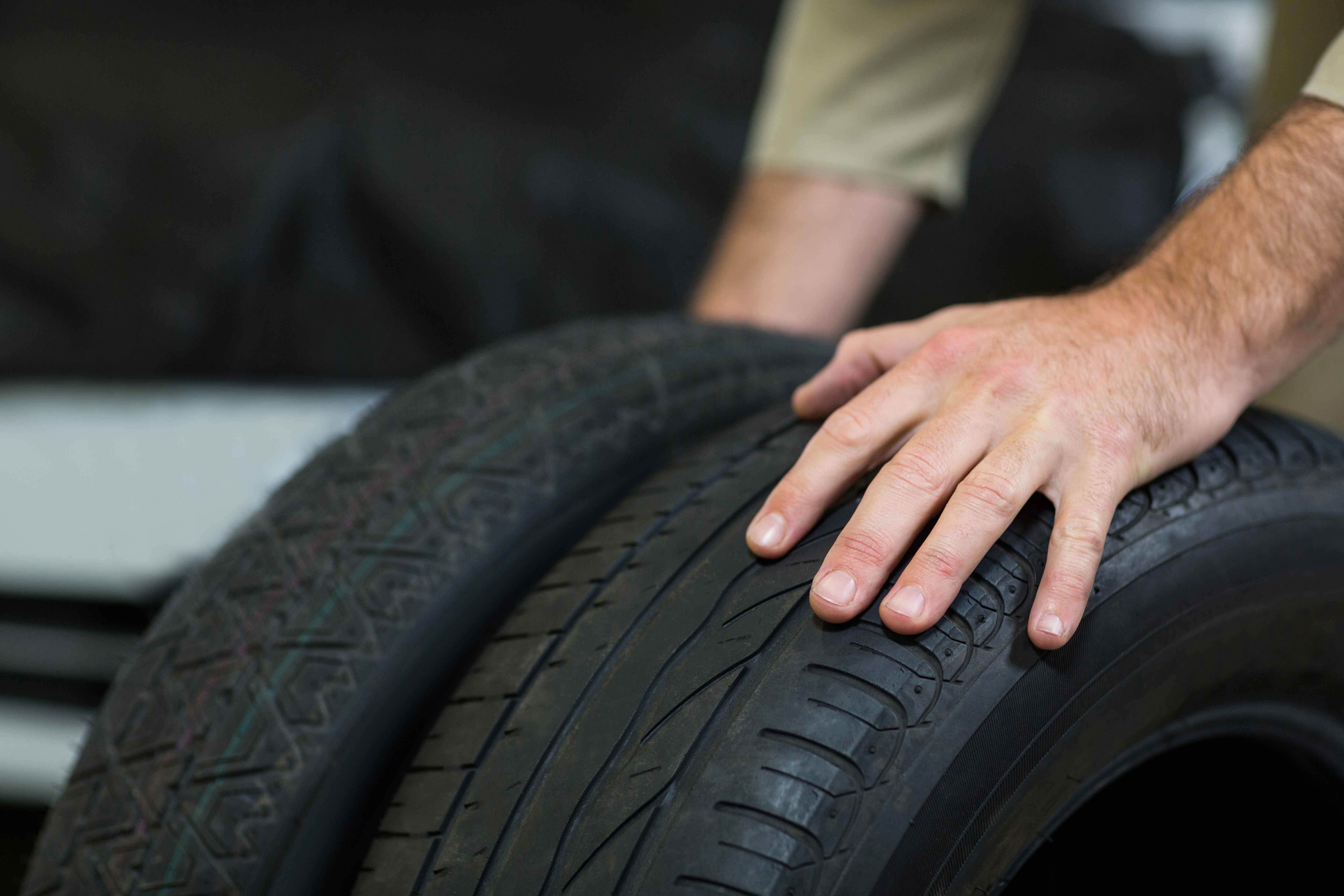
That’s where reinforced tyres make the difference. Look for models marked “LT” (Light Truck) or labelled “reinforced.” Both indicate thicker sidewalls and stronger internal construction designed to resist cuts and punctures.
If you often drive across stony ground or remote routes, investing in reinforced all-terrain tyres will reduce the risk of sidewall damage and keep you moving safely, even when the road runs out.
Pressure Adjustments for Traction
One of the simplest ways to improve car safety and control off-road is by adjusting tyre pressure and tyre size. On soft ground like sand, peat, or gravel, lowering pressure allows the tyres to flex more, increasing grip and stability.
The key is knowing when and how much to adjust.
Lowering PSI for Better Grip
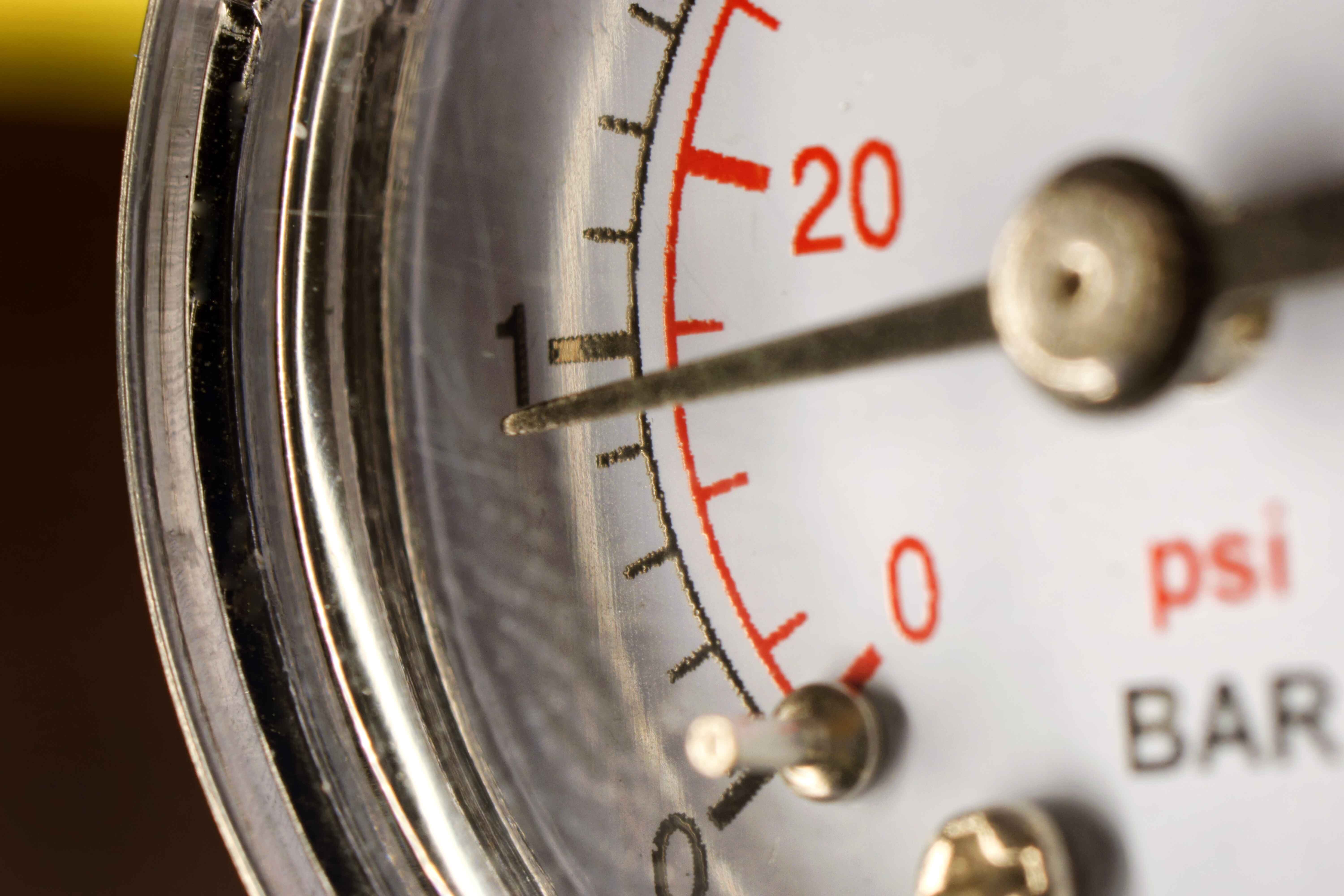
Standard road pressure is designed for smooth tarmac, not loose or uneven terrain. Dropping the pressure slightly (typically to 25–30 PSI) widens the tyre’s contact patch, helping it “float” over softer surfaces instead of digging in.
For example, if you’re navigating the Shannon’s flatlands, forest tracks in Wicklow, or bog roads after heavy rain, reducing tyre pressure can make the difference between steady traction and getting stuck.
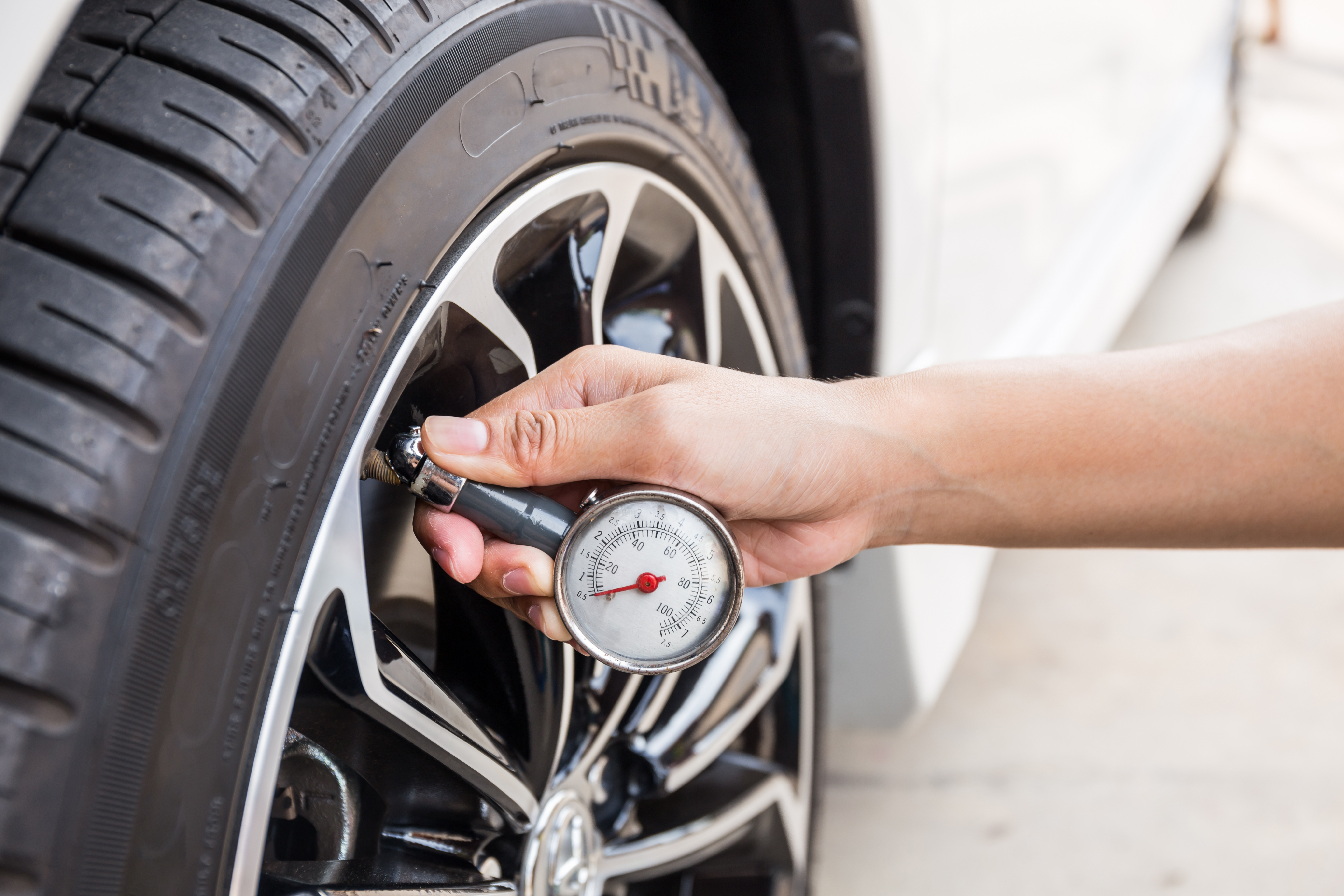
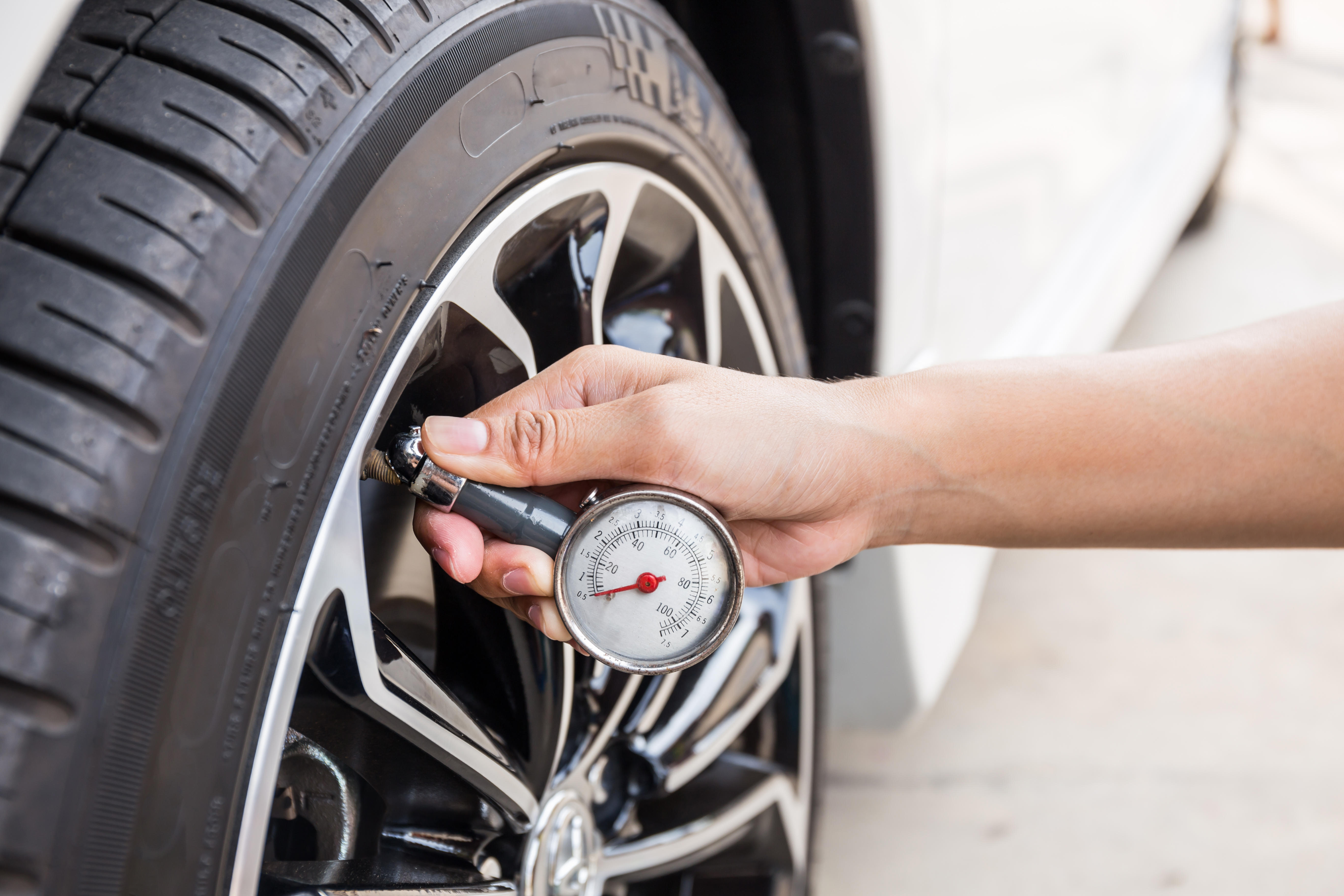
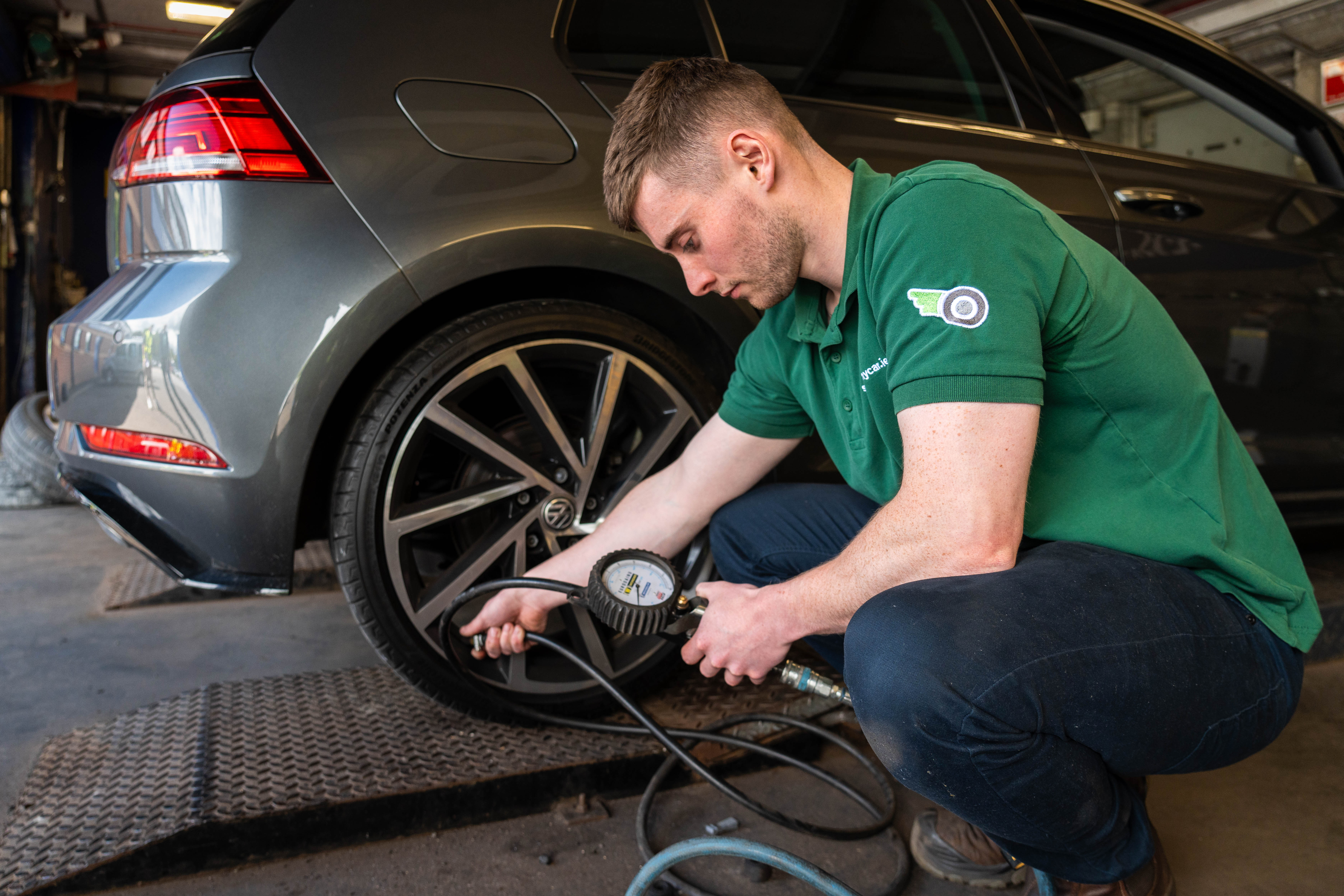
Always lower the pressure gradually and check with a reliable gauge.
Safe Re-Inflation Before Returning to the Road
What helps off-road can quickly become dangerous back on tarmac. Under-inflated tyres heat up faster and wear unevenly, which increases the risk of blowouts.
Before returning to normal roads, always reinflate to the manufacturer’s recommended PSI, which is found on your vehicle’s door frame or in the manual.
A portable 12V air compressor is a worthwhile addition to any off-road kit. It lets you adjust pressure on-site and avoid driving long distances on soft tyres. Many models available in Ireland are compact, inexpensive, and easy to store in your boot.
Navigating Obstacles and Road Noise
Even the best tyres won’t protect your vehicle if obstacles are approached carelessly. Ireland’s back roads and forest lanes often hide uneven ground, loose stones, and ruts that can damage tyres and suspension alike.
With the right techniques, you can handle these hazards safely and avoid costly repairs.
Skirting Rocks and Sharp Edges
Sharp rocks and exposed stones are common on upland trails and stony farm tracks. When you meet one, don’t attack it head-on.
Instead, approach at a shallow angle and use steady, consistent momentum to roll over gently. This technique reduces the strain on sidewalls and lowers the risk of splitting or pinching the rubber.
If the terrain looks particularly rough, ease off the accelerator and use low gear to maintain slow, controlled movement. Let the tyres do the work, not the throttle.
Avoiding Ruts and Soft Shoulders
Ruts and soft shoulders can trap even the most capable off-road vehicles. To stay safe, stick to established tracks rather than cutting your own path.
On gravel or dry dirt, scan ahead for subtle shifts in surface colour. They often reveal dips, mud pockets, or loose patches.
If visibility is low or you’re unsure of the ground ahead, stop and inspect on foot before committing. It’s a driving habit seasoned drivers rely on and one that can save a tyre or two on Ireland’s most unpredictable trails.
Emergency Repair Kit Essentials
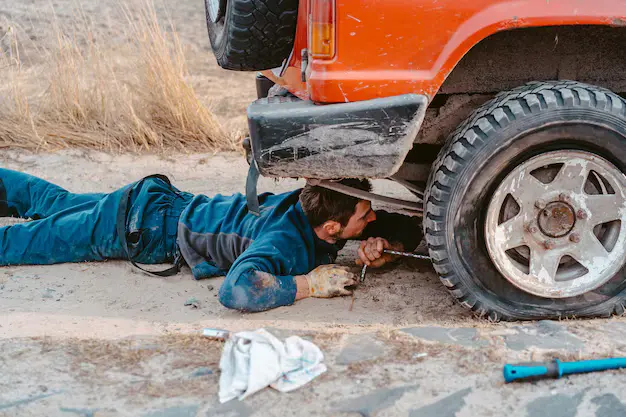
Even the most careful driver can run into trouble off-road. A sharp stone, hidden nail, or sudden pressure loss can happen anywhere, and often far from help.
Having a few key tools on hand means you can make temporary repairs, reinflate, and get safely back on the road without calling for recovery.
Plug Kits for Quick Fixes
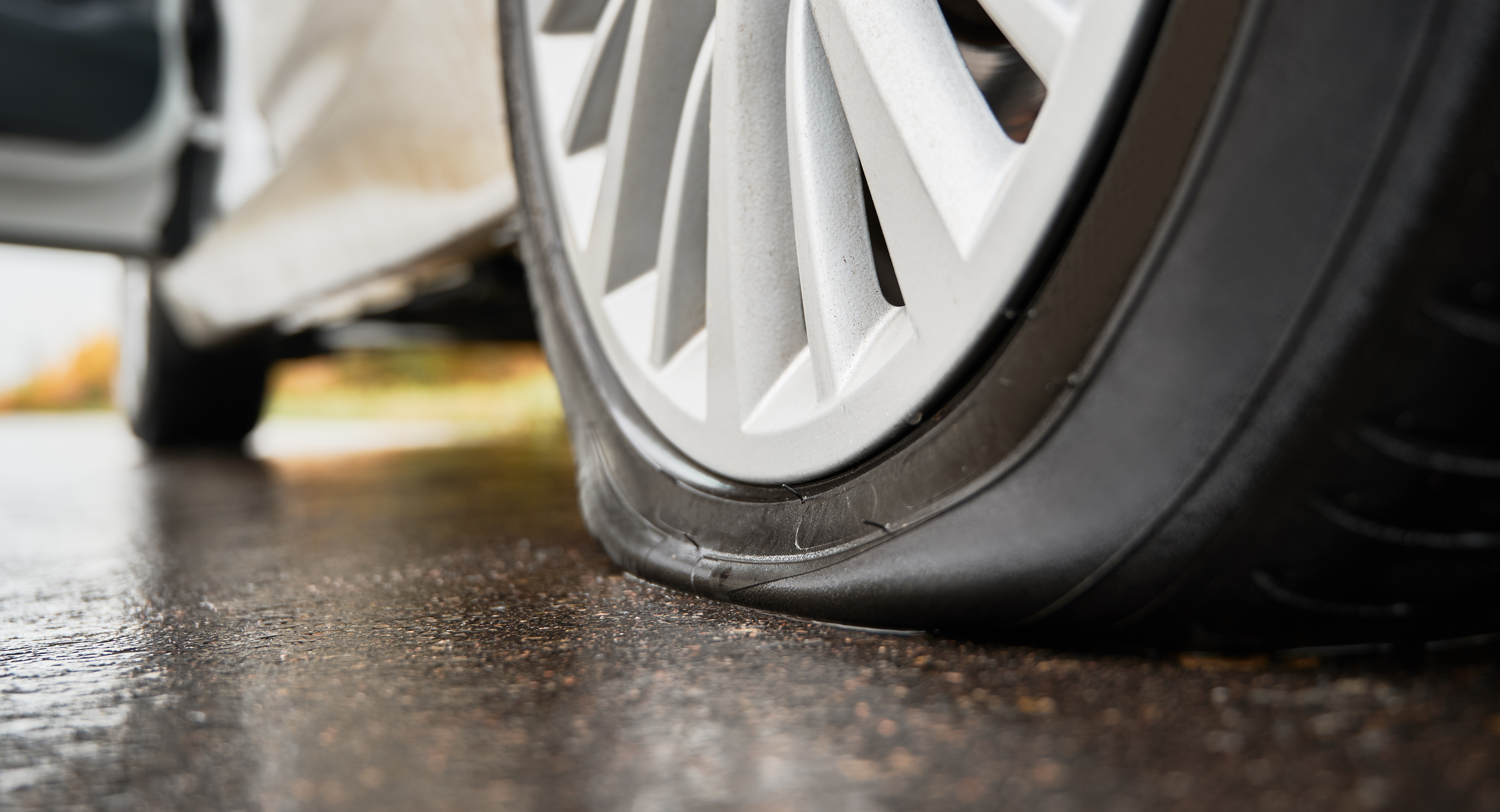
A tyre plug kit is the simplest way to deal with small punctures caused by stones or screws. It seals the hole externally, allowing you to drive home or to a fitting centre without removing the wheel.
Many Irish motorists now keep one in the boot. They’re compact, inexpensive, and easy to use with a little practice.
Remember, plugs are temporary fixes. Once you’re home or near a tyre shop, have the repair checked and replaced with a suitable brand if necessary.
Patches Equipped for Long-Term Repairs
When conditions allow, patches provide a stronger and longer-lasting repair. These are applied from the inside of the tyre and should be done in a workshop or controlled environment.
If a puncture is large, near the sidewall, or causes visible structural damage, replacement is the only safe choice.
Keeping a space-saver spare tyre or full-size spare in the vehicle is a smart backup for longer rural trips.
Portable Air Compressors
A 12V portable air compressor is one of the most useful tools for off-road driving in Ireland. It lets you reinflate tyres after lowering pressure for soft terrain or top up after a slow leak.
Plug it into your car’s power outlet, set your desired PSI, and you’re ready to go. Most models are compact enough to store beneath the boot floor and are available from Irish automotive retailers.
Trail-Ready, Tyre-Steady: The Final Check Before You Go
Ireland’s most rewarding routes often come with the roughest surfaces. However, with the right tyres, pressure, and a few smart habits, off-road driving doesn’t need to be risky or stressful. Preparation is the difference between an adventure and a recovery call.
Before you take the next trail, make sure your tyres are suited to the journey ahead. Reinforced all-terrain sets, a reliable compressor, and a small repair kit can save hours of hassle and a lot of money.
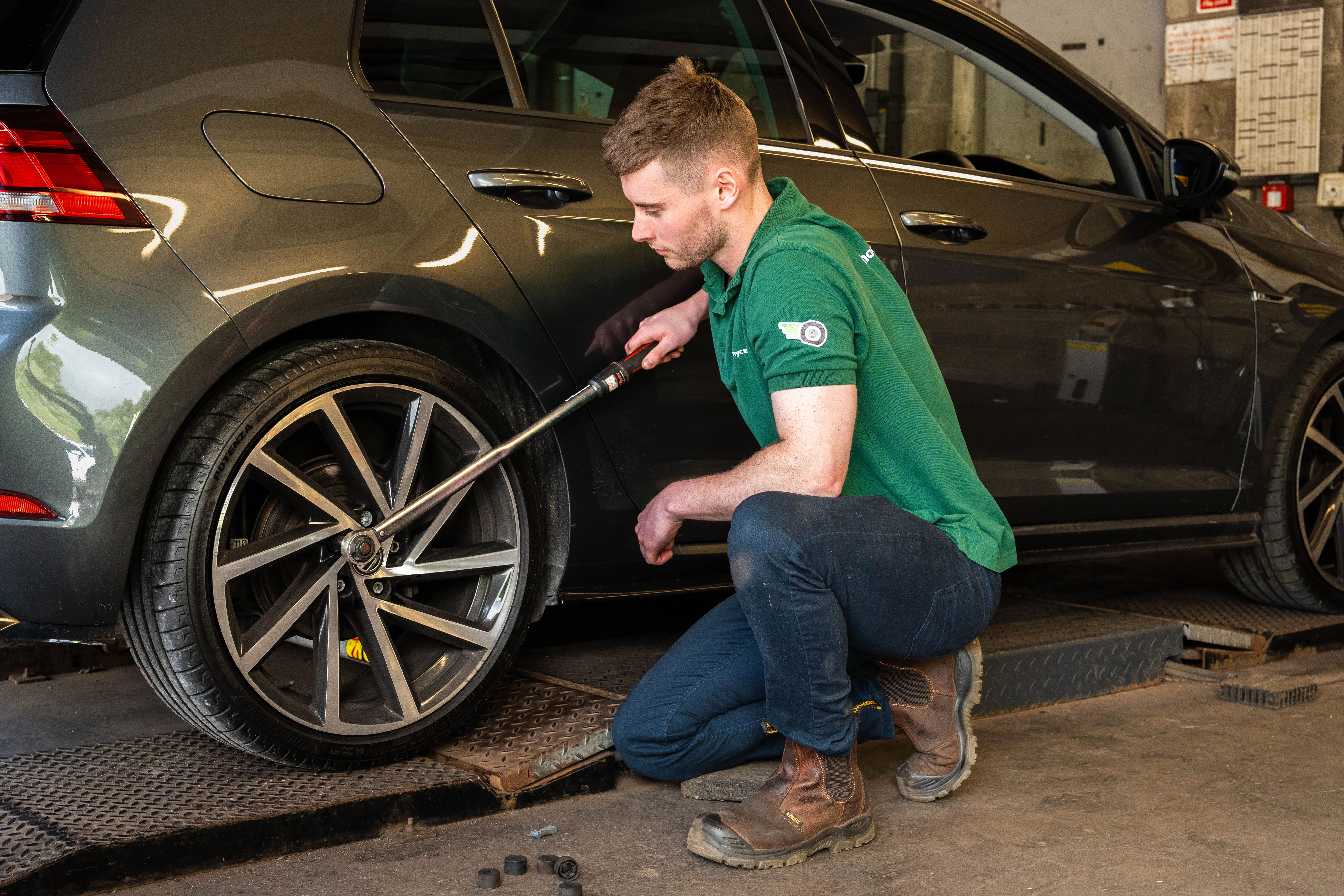
When it’s time to upgrade or replace your off-road tyres, head to Shoes for My Car. Compare all-terrain and mud-terrain options, check availability across Ireland, and book fittings in minutes.
With the right gear, every back road becomes part of the adventure. Start your research today!
Frequently Asked Questions
What tyre pressure is best for off-road driving in Ireland?For most vehicles, lowering pressure to around 25–30 PSI improves grip on soft ground like gravel, peat, or sand.
Always reinflate to the manufacturer’s recommended PSI before returning to tarmac to avoid heat build-up and uneven wear.
Are all-terrain tyres good for everyday driving?Yes. All-terrain tyres work well for Irish motorists who switch between city roads and rural tracks.
They offer better grip than standard tyres on loose surfaces while staying quiet and durable for daily commuting.
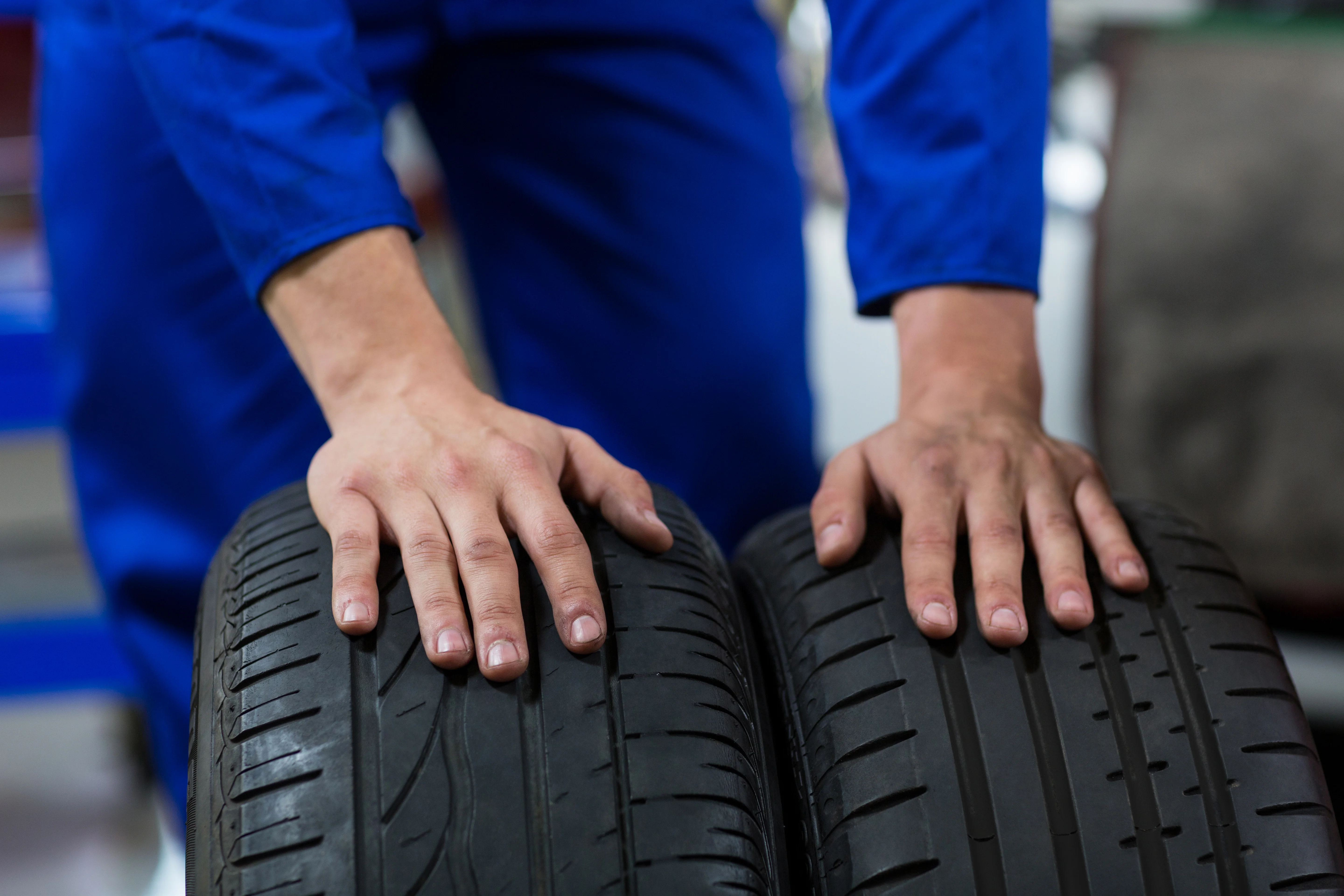
How can I tell if my off-road tyres are damaged?Look for cuts, bulges, exposed cords, or uneven tread wear. After driving through rocky or muddy terrain, check for stones lodged in the tread or scrapes along the sidewall.
Any bulge or deep cut means the tyre should be replaced.
Can I repair an off-road tyre after a puncture?Small punctures in the tread area can be repaired with a plug or patch, but sidewall damage is never safe to fix.
If you’re unsure whether a tyre is repairable, have a professional examine it before continuing long-distance or high-speed driving.
Do I need different tyres for winter off-road driving?Not always. All-terrain tyres perform well year-round, but winter conditions, such as wet fields, frosty laneways, and icy rural roads, benefit from tyres with deeper tread and reinforced sidewalls.
If you frequently travel off-road in winter, upgrading to A/T tyres with strong wet-grip ratings is a smart move.
If you frequently travel on rough or unpaved surfaces, inspect your tyres after every off-road trip and do a deeper check weekly.
Look for embedded stones, pressure changes, shoulder wear, and early signs of cracking or cuts.